
Cardiac diagnostic tests play a vital role in understanding how the heart functions and identifying potential problems. These tests are generally non-invasive, safe, and provide valuable information that guides diagnosis and treatment.
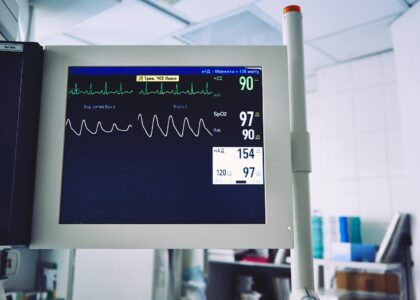
An Electrocardiogram (ECG) records the electrical activity of the heart. It helps detect abnormal heart rhythms, previous heart attacks, and other cardiac conditions. An Exercise Stress Test (EST) evaluates how the heart performs during physical activity, identifying issues that may not appear while the body is at rest.
Echocardiography, also known as a heart sonar, uses ultrasound to create detailed images of the heart’s structure and movement. This test helps assess heart valves, muscle function, and blood flow. Carotid sonar examines the arteries supplying blood to the brain, helping detect blockages that could increase stroke risk.
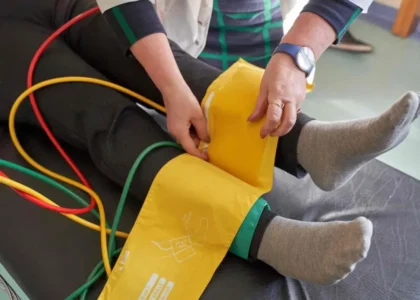
Continuous monitoring tests such as 24-hour Blood Pressure Monitoring (ABPM) and Holter ECG monitoring provide insights into heart activity over a full day. These tests are especially useful for identifying irregularities that occur intermittently.
Understanding these tests helps reduce anxiety and allows patients to participate actively in their care. Each diagnostic tool plays a specific role in ensuring accurate assessment and effective treatment planning.